

ro
 Acasă / Ştiri / Știri din industrie / Choosing the Right DTY for Knitted vs Woven Fabrics: Key Differences Explained
Știri din industrie
Choosing the Right DTY for Knitted vs Woven Fabrics: Key Differences Explained
2026-09-08
Picture a grey fabric inspection bench with two samples side by side: a 24-gauge single jersey and a 5/3 satin, both produced from the same batch of 150D/48F semi-dull DTY. The jersey starts pilling after repeated washing, while the satin shows recurring broken filaments at the same warp position on every loom. Neither fault is a yarn quality issue; both are mismatches between DTY construction parameters and the fabric structure they feed.
Here is the short conclusion: choose low-elastic DTY with controlled shrinkage for most knitted fabrics, and heavy-mesh DTY for dense woven fabrics. The reason lies in how loop formation and interlacing exploit different physical properties of the same filament bundle.
Why Fabric Construction Determines DTY Selection
Knitting builds a fabric from a continuous chain of loops. Each yarn is drawn over a needle and pulled through an existing loop, so it must bend, relax, and recover quickly without breaking. DTY with high bulk and a soft, open structure feeds into this process naturally. When a heavy-mesh yarn with a high interlace count is used in a fine-gauge knit, the fused points along the yarn create short, visible marks in the loop structure and increase needle wear.
Weaving is different. Warp and weft yarns are interlaced at right angles, and the warp faces repeated friction against drop wires, heddle eyes, and reeds under high tension. An over-relaxed DTY bundle can shed individual filaments during this process, forming fuzz that collapses the shed and stops the loom. A tightly interlaced bundle keeps the filaments together and withstands abrasion, which is why the mesh count matters more in weaving than in knitting.
Key DTY Parameters You Must Specify
Interlace Density (Mesh)
Mesh describes how often the filaments in a DTY yarn are entangled along its length, usually measured in points per meter. Light-mesh DTY typically stays below 60 points/m, giving a softer hand and fuller cover. Heavy-mesh DTY holds 90 points/m or more, keeping the filament bundle compact during high-speed processing. For knitting, a light to medium mesh reduces needle wear; for weaving, a heavier mesh reduces filamentation and shed defects.
Elasticity and Heat Shrinkage
Knitted stretch and recovery depend heavily on the intrinsic elasticity of the DTY, while woven width stability depends on heat shrinkage. Low-elastic DTY provides moderate stretch and good recovery, which suits everyday garments. If heat shrinkage at 180°C exceeds roughly 7 percent, woven fabric width becomes difficult to control and stripe alignment in taffeta or twill can shift. Always request shrinkage data for the temperature profile actually used in your mill.
Luster and Titanium Dioxide Level
Semi-dull DTY contains about 0.3% titanium dioxide and is the most common choice for garment fabrics. Bright DTY contains no delustrant and produces a clear, glassy sheen that appears sharper in satin weaves and velours. Full-dull DTY carries a higher TiO2 level, producing a matte surface with a cotton-like touch. Since knit loops reflect light at many angles, luster differences are more visible in knits than in tightly interlaced wovens.
Denier and Filament Count
At the same denier, a higher filament count delivers a finer hand and softer drape. For 150D yarn, 144 filaments feel noticeably softer than 48 filaments. But fine filaments are also more fragile under weaving tension. A woven shell fabric that requires strength should stay with a coarser filament count; a next-to-skin knitted fabric benefits from a higher F number. You can change the hand of a fabric without changing its weight simply by shifting the filament count.
Choosing DTY for Knitted Fabrics
For single jersey, interlock, and rib constructions, low-elastic semi-dull DTY with light mesh is a dependable starting point. The lightly interlaced yarn forms loops with full cover and reduces the chance of needle damage, while low elasticity provides enough stretch for apparel without letting the finished fabric lose its shape.
When a knit must feel particularly soft, such as babywear or loungewear, increase the filament count rather than changing the luster class. Full-dull DTY is useful when the customer wants a matte, natural appearance. For stretch-sensitive items such as rib trim or shapewear, check the elongation at break against your machine's take-down tension, since an overly elastic yarn can cause loops to hang and create horizontal stripes.
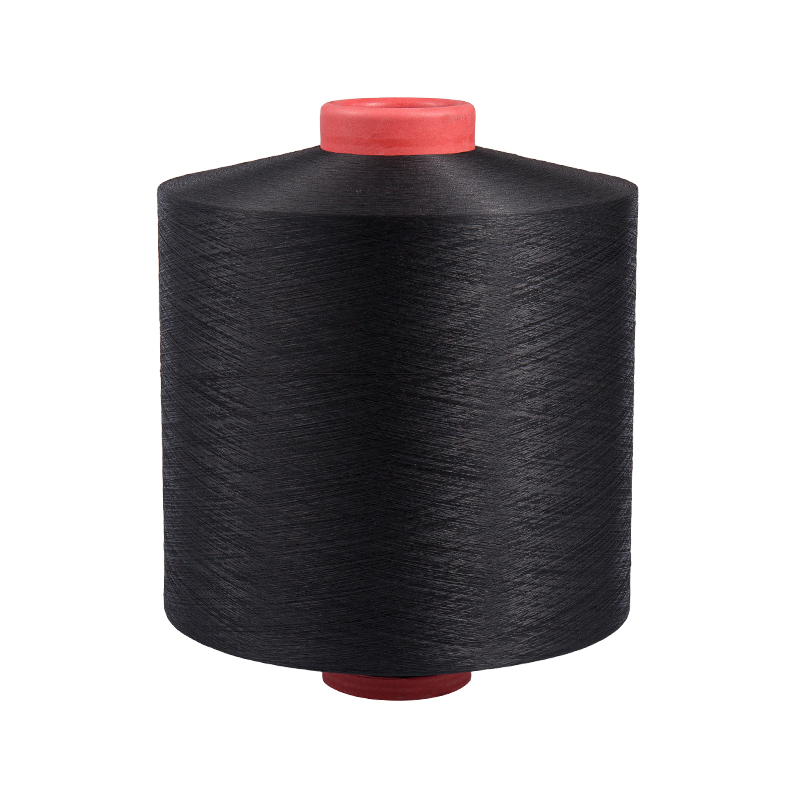
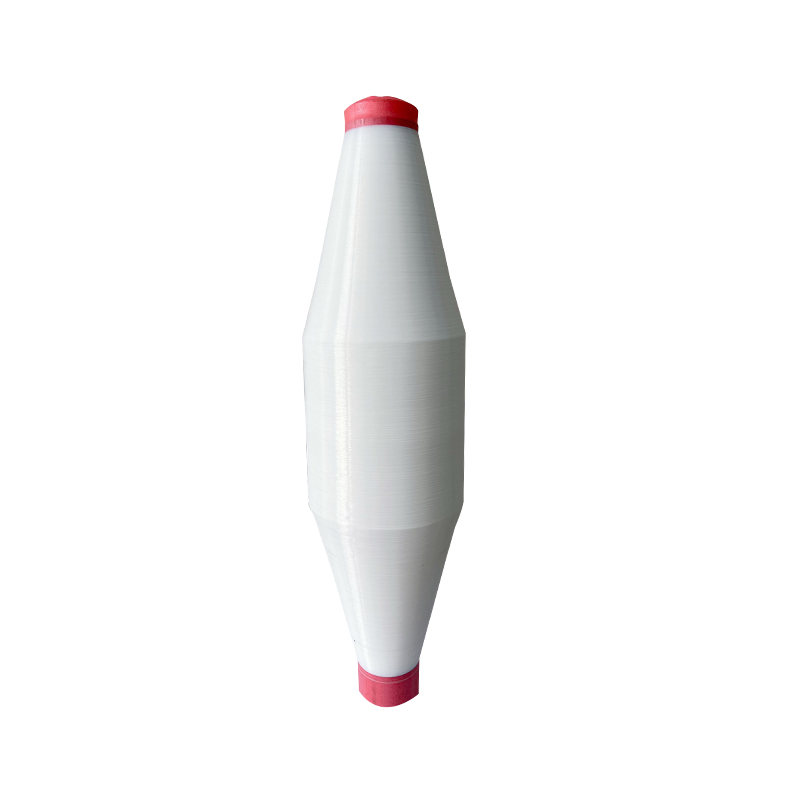
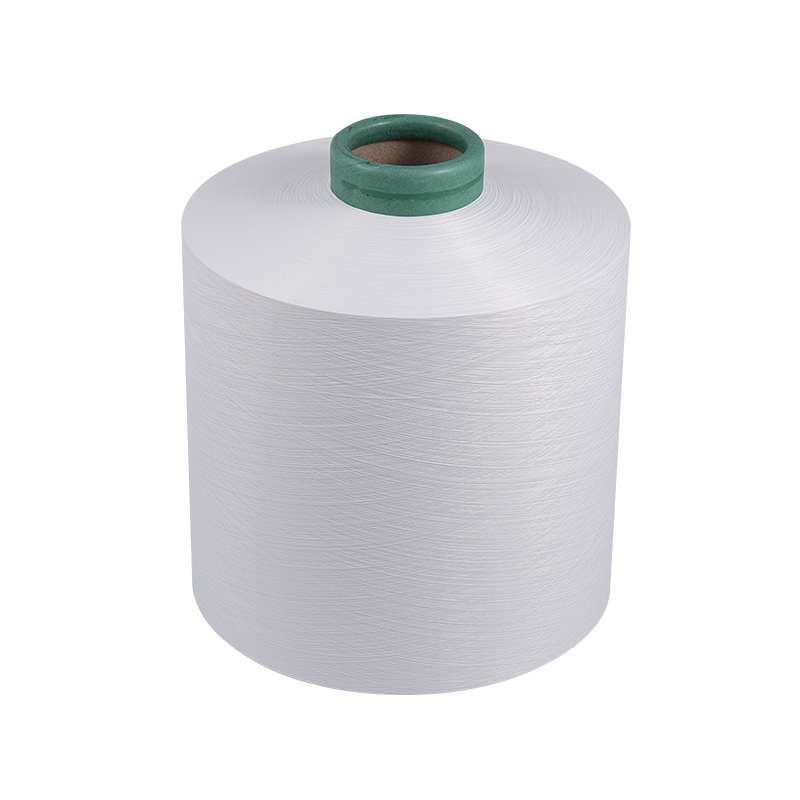 Low-Elastic Semi-Gloss DTY for Shape Retention A polyester yarn with low elongation and a semi-gloss finish, ideal for garments and home textiles where shape stability and appearance matter. Suitable for woven weft applications in open structures. View Product →
 Choosing DTY for Woven Fabrics
In weaving, the first decision is whether the DTY will run in the warp. Warp yarns need cohesion to survive the friction of the drop wires, heddles, and reeds, so heavy-mesh DTY is the usual choice for poplin, twill, sateen, and faille. In the weft, light-mesh DTY can be acceptable, especially in low-density weaves where tension is lower and the cloth structure is open.
Bright DTY is popular in woven face fabrics such as satin and microfiber shells because the interlaced surface shows a clean sheen. Woven fabrics also tolerate a higher denier and lower filament count than knits, which improves tensile strength but coarsens the hand. If your woven fabric will be sanded or peach-finished, a heavy-mesh structure prevents the surface from fuzzing unevenly after brushing.
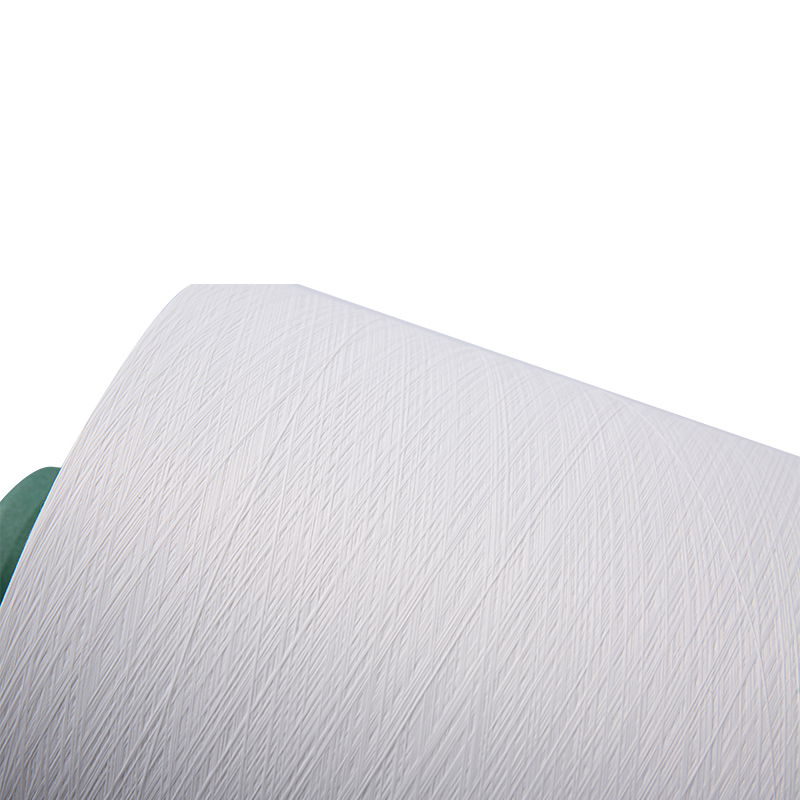 Heavy Mesh Semi-Gloss DTY for Durable Fabrics This robust textured yarn offers strength and a semi-gloss surface, making it suitable for sportswear, swimwear, and home textiles. Its heavy mesh structure supports warp use and sanding finishes. View Product →
 Quick Comparison: DTY Selection for Knit vs Woven
| Parameter | Knitted Fabric | Woven Fabric |
|---|---|---|
| Interlace density | Light mesh preferred | Heavy mesh preferred |
| Elasticity | Low elastic, good recovery | Controlled, warp-stable |
| Heat shrinkage | Monitor for pilling | Monitor for width control |
| Luster | Semi-dull or full-dull | Bright or semi-dull |
| Filament count | Higher F for soft hand | Lower F for strength |
Colored, Solution-Dyed, and Cationic DTY Options
Once the base characteristics are fixed, color strategy can change the choice further. Cationic DTY accepts cationic dyes at atmospheric pressure, producing bright, saturated shades and enabling two-tone effects when combined with regular semi-dull DTY in the same fabric. For woven jacquards and striped knits, cationic heavy-mesh DTY behaves much like standard heavy-mesh DTY but with a wider color range.
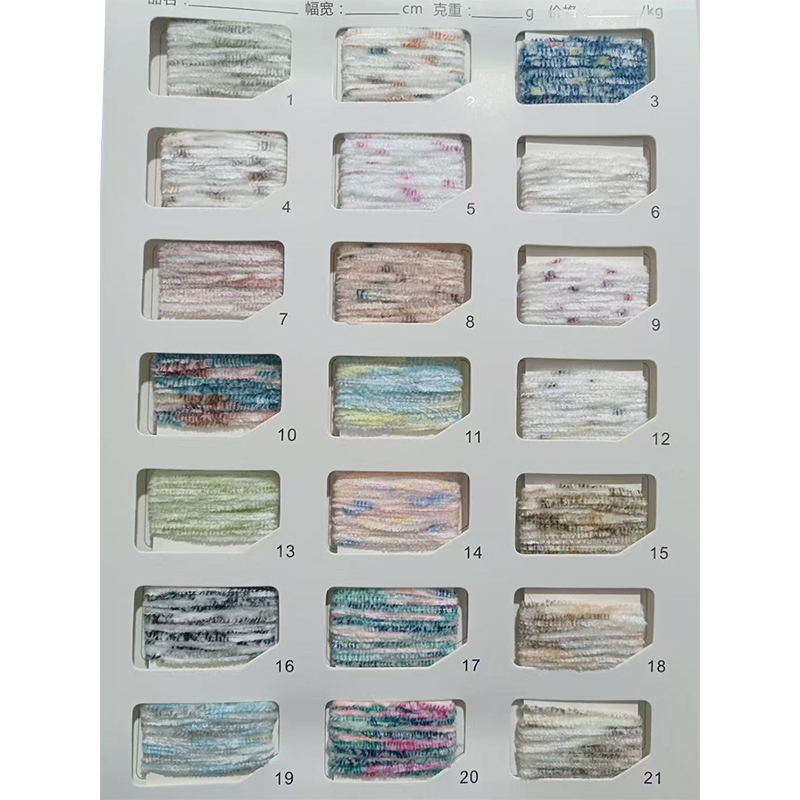
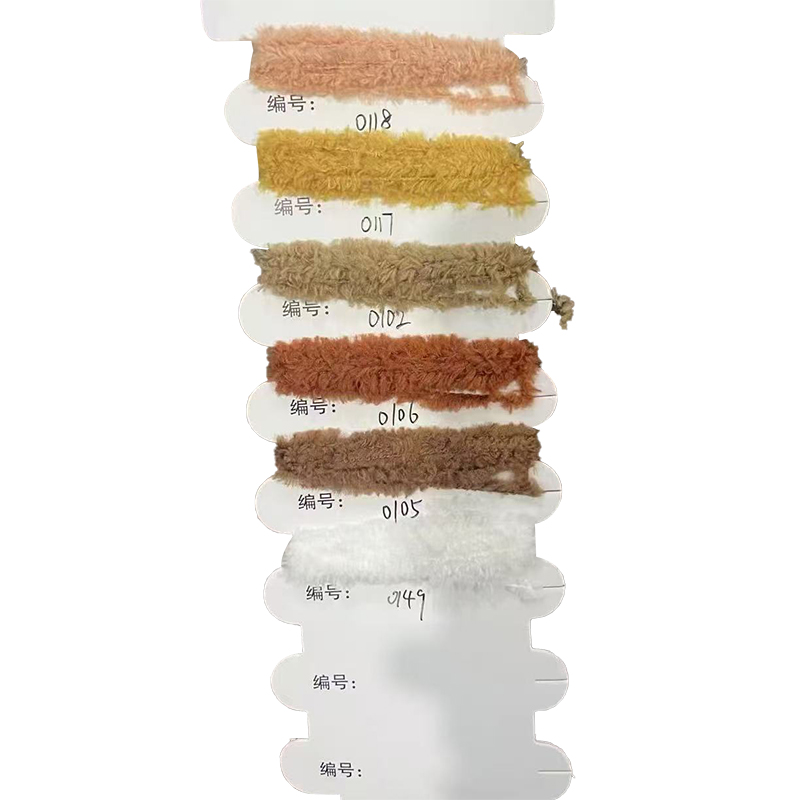
Solution-dyed colored DTY is another route, especially when the production schedule is tight, because it removes the need for a separate piece-dyeing stage and cuts both cost and lead time. Color matching is done with the supplier's color chart. Both of these options follow the same knit/woven rule: lighter mesh and lower elasticity for knitting, heavier mesh for weaving.
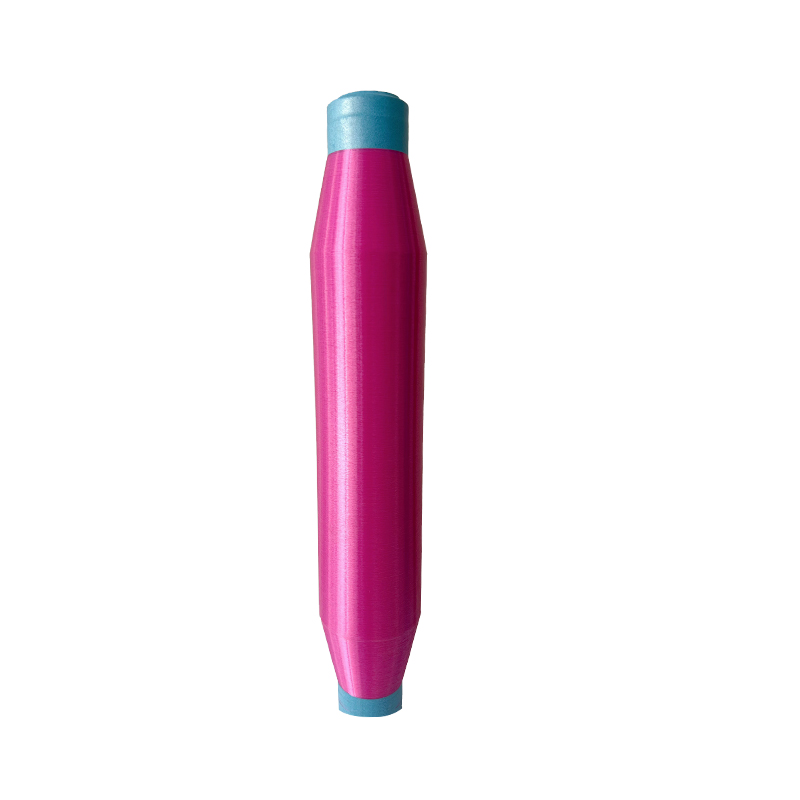
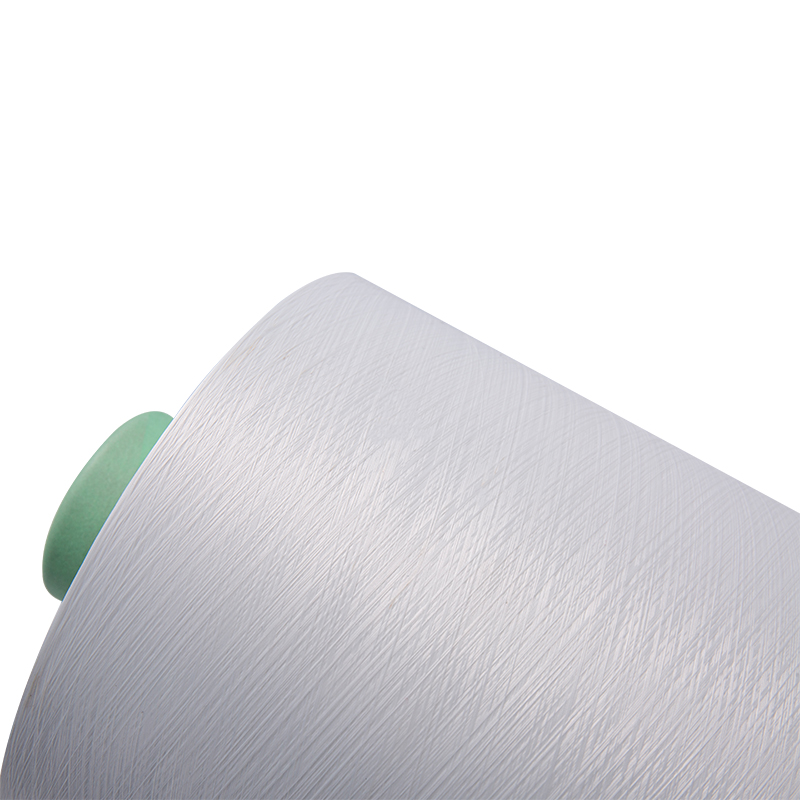 Heavy-Mesh Cationic DTY for Vibrant Colors A heavy net cation yarn that accepts cationic dyes for bright, saturated shades and two-tone effects. Durable and breathable, it suits activewear, jacquards, and striped knits. View Product →
 Sourcing Checklist Before You Place an Order
A supplier that understands the difference between knit and woven applications will usually ask about the end fabric before quoting. If you are new to DTY specification, start with a detailed explanation of DTY types and how they behave in different textile processes , then apply this checklist to the fabric at hand:
- State the exact fabric construction: single jersey, interlock, rib, twill, satin, or taffeta. Mesh density and elasticity requirements differ with each structure.
- Ask for the actual interlace range in points per meter, not just the labels "light mesh" or "heavy mesh."
- Request heat shrinkage data at 180°C and confirm the tolerance your mill can accept.
- Confirm the filament count and luster category, since both affect hand, sheen, and weaving performance.
- Order a trial lot of 50-200 kg and run a full production test, including one dyeing cycle, before committing to bulk.
For mills that need both stable weaving performance and a soft knitted touch, a supplier with a wide specification window helps. Tongxiang Baoyi Textile covers semi-dull, bright, full-dull, cationic, and solution-dyed DTY in a 50D to 600D base range, so several of the parameters discussed here can be tested within one shipment.
The key differences between knitted and woven fabrics are not only in appearance or stretch; they determine which DTY you should buy. Match interlace density, elasticity, shrinkage, and luster to the fabric construction, and you will avoid the most common quality disputes at the inspection table. Define the fabric first, then the DTY spec follows naturally.
CONTACTAŢI-NE
Dacă trebuie să vizualizați graficul de culori Baoyi, să obțineți o ofertă sau să aveți întrebări, vă invităm să ne contactați completând formularul de mai jos.
DESPRE
PRODUS
CONTACTAŢI-NE
-
 Orașul Shimen, Tongxiang, Jiaxing, Zhejiang, China.
-
 +86-18357386869
-
 [email protected]
Copyright © Tongxiang Baoyi Textile Co., Ltd. Toate drepturile rezervate.
